Hospital Information Systems (HIS) have moved well beyond digitizing paper records. Today’s platforms shape clinical workflows, patient communication, and long-term outcomes.
Here are five ways a modern HIS transforms patient care — and what hospital leaders should look for when modernizing.
1. Unified patient records across departments
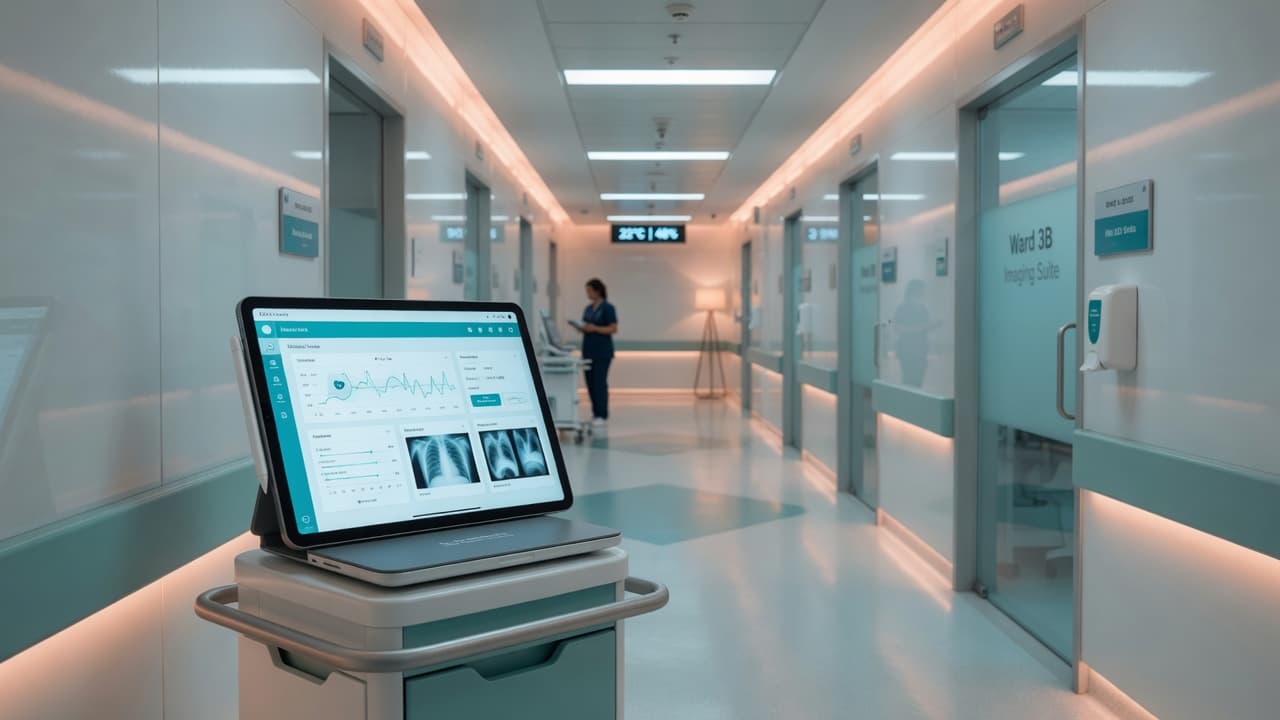
A modern HIS consolidates labs, imaging, medication history, and clinical notes into a single real-time record.
That reduces duplicate tests, missed allergies, and treatment delays when patients move between departments or facilities in a multi-hospital network.
2. Faster clinical decision-making
With structured, interoperable data (HL7/FHIR), clinicians get the information they need at the point of care.
Decision support, order sets, and care pathways work only when the underlying record is complete, timely, and trusted.
3. Reduced administrative burden
Automated scheduling, billing interfaces, documentation support, and referrals free clinical staff from repetitive paperwork.
The operational payoff is measurable: fewer handoff errors, shorter registration times, and more clinician time with patients.
4. Stronger patient data security
Modern HIS platforms should include healthcare-grade controls by design:
- Encryption in transit and at rest
- Role-based access and least privilege
- Detailed access logging and audit trails
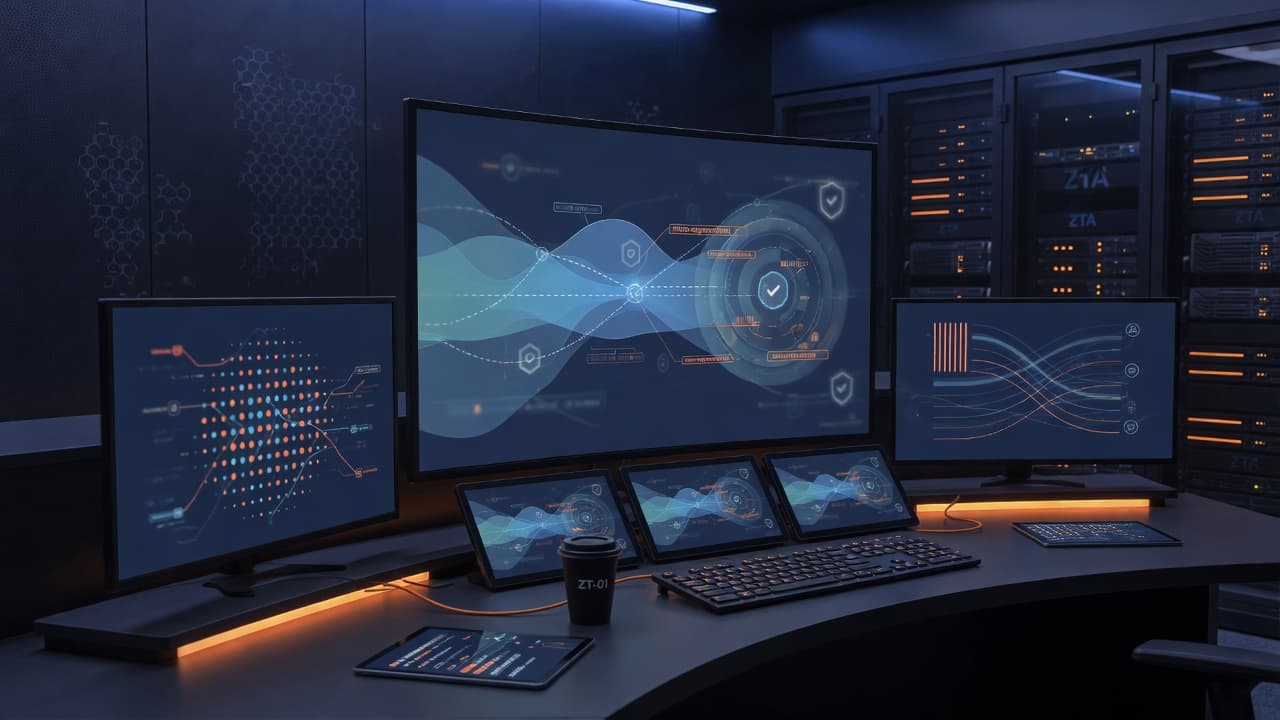
- Integration with identity and Zero Trust controls
As cyber threats against healthcare rise, security is a care quality issue — not only an IT issue.
5. A foundation for telehealth and remote care
A well-architected HIS becomes the backbone for:
- Telehealth visits and virtual follow-ups
- Remote patient monitoring
- Patient portals and appointment self-service
- Care coordination across outpatient and home settings
Without a modern clinical core, digital care channels become fragmented silos.
What “good” modernization looks like
Successful HIS programs typically include:
- Clinical co-design with doctors, nurses, and admin leads
- Phased rollout by facility or module, not big-bang chaos
- Data migration quality gates before cutover
- Training and hypercare for the first 30–90 days
- Interoperability roadmap for labs, imaging, payers, and partners
Key takeaway
Hospitals that treat HIS modernization as a strategic investment — not just an IT upgrade — are best positioned to deliver safer, more connected care.
If your network is evaluating HIS modernization, integration, or a multi-facility rollout, our healthcare IT team can help define scope, risk controls, and a delivery plan aligned to clinical priorities.